
Blog
Why Fair Trade Festival Clothing Is Quietly Changing How We Dress for Festivals

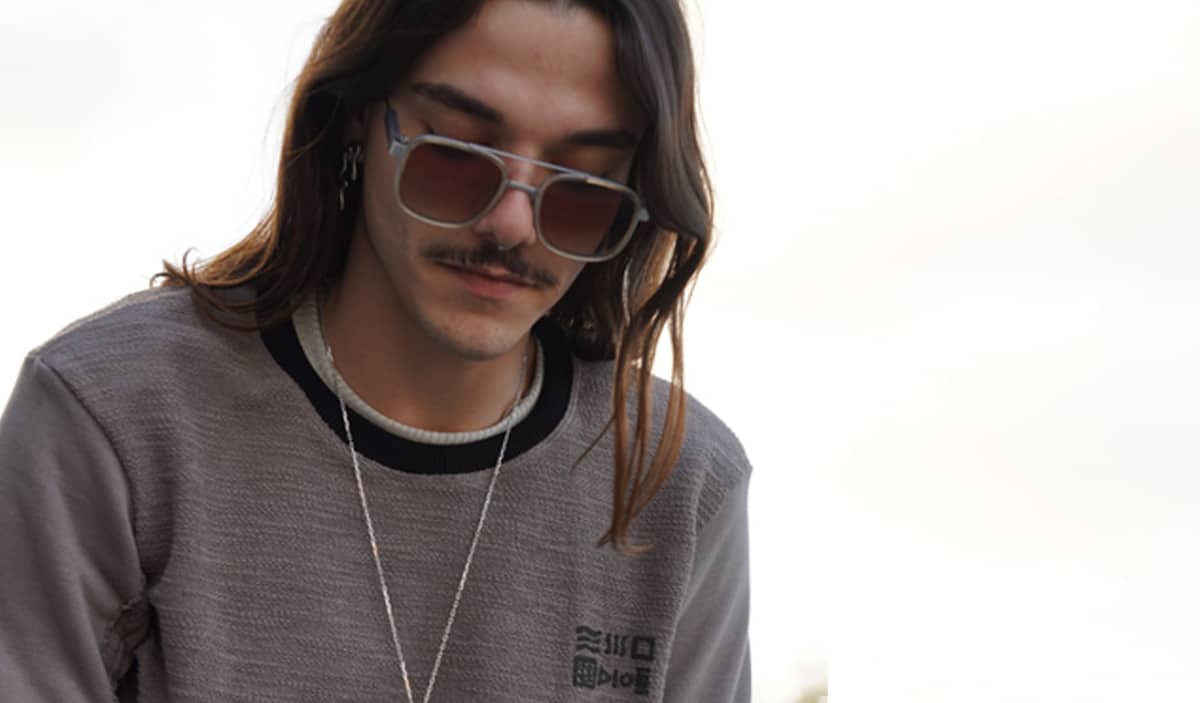
A conversation starts at an artist’s table near the main stage. Someone recognizes the print on your shirt, asks who made it, and for once the answer is more specific than the name on a tag. You know the artist. You know something about where the piece came from. Maybe you even remember the first time you saw their work hanging at another festival two summers ago. That small shift, knowing instead of guessing, changes the way you look at the next piece you bring home.
A Question That Took a While to Start Getting Asked
For a long time the only thing that mattered was whether a piece looked good under the lights. Now people increasingly want to know where it came from before they care how it photographs, whether the hands that cut it and printed it were actually paid for the hours that went into it. It is a slower question to live with once you start asking it, and most people keep asking it long after that first conversation, long after the festival itself is over and the piece is just hanging in a closet.
What Fair Trade Festival Clothing Actually Protects
“Fair trade” can carry specific standards and certifications, so it is worth looking beyond the phrase itself. For festival-goers, the bigger question is often about the people behind the piece: who designed it, who made it, what the brand is willing to tell you about that process, and whether the people doing the work are treated fairly. Artist credit is part of that conversation, but so are the hands involved long after the artwork leaves the sketchbook. Thinking about fair trade festival clothing means looking beyond the finished print and asking what happened before it reached the festival field.
Copies Change the Scene Too
When original psychedelic artwork gets copied and reproduced without the creator behind it benefiting, the impact reaches further than one cheap shirt. This scene depends on artists having a reason to keep making strange, detailed, unmistakably original work. Supporting the people actually creating it helps keep that cycle moving, so the next fractal, mandala, or impossible little universe comes from an artist with something new to say rather than a catalog repeating whatever already sold.
Look Past the Label
A claim on a tag can only tell you so much. What matters is what a brand is willing to show beyond it. Do they name the people behind the artwork? Do they explain where or how pieces are made? Can you find something more substantial than a vague promise about being “ethical”? The goal is not to become a supply-chain investigator before buying a shirt. It is simply to notice whether there are real people and real information behind the language.
Knowing the Maker Changes How a Piece Feels
There is a real difference between pulling on something with no story attached and wearing a piece when you know the artist behind the work. One is simply something you bought. The other connects back to a person, an idea, and the scene that gave the artwork somewhere to live. Nothing about the fabric itself has changed, but your relationship with the piece has. Once you start paying attention to the people behind the artwork, it becomes harder to see festival clothing as just another thing hanging on a rack.
Scarcity Is Not the Same as Value
A rare print and a fairly made print are not automatically the same thing, and it is worth not confusing them. Scarcity only tells you that fewer pieces exist. It tells you nothing by itself about who made them, how the people involved were treated, or what happened between the original artwork and the finished garment. A limited run can feel special, but the more meaningful questions sit behind the number on the tag.
Price Alone Cannot Tell the Whole Story
A higher price does not automatically make a piece ethical, just as a lower one cannot tell you exactly what happened behind the scenes. What matters is what sits behind the number: original work, transparency about how the piece was made, and people being compensated fairly for what they contribute. That context tells you far more about the festival outfits you bring home than the price tag can on its own.
A Slow Shift, Not a Sudden One
Nobody is claiming the whole scene has turned a corner overnight. A lot of festival wardrobes are still a mix, a few fairly made pieces next to things bought fast and cheap without a second thought. That is fine. The shift is in the asking, not in some sudden purity test, and the more people ask, the more it becomes normal to expect an honest answer.
Knowing Who You Are Wearing
The next time a print catches you from across a festival stall, look a little longer. Find out who drew it. See what the label tells you about the people and process behind the finished piece. That curiosity is part of what keeps a scene built on original art feeling original.
Plazmalab lives inside that same psychedelic world, putting original artwork and the people behind it at the center of what it creates. The point is not to turn every purchase into an investigation. It is to know a little more about what you carry onto the dancefloor, because the pieces that stay with you longest usually have something worth knowing behind them.