
Blog
Electronic Music Clothing: From Underground Raves to Global Fashion

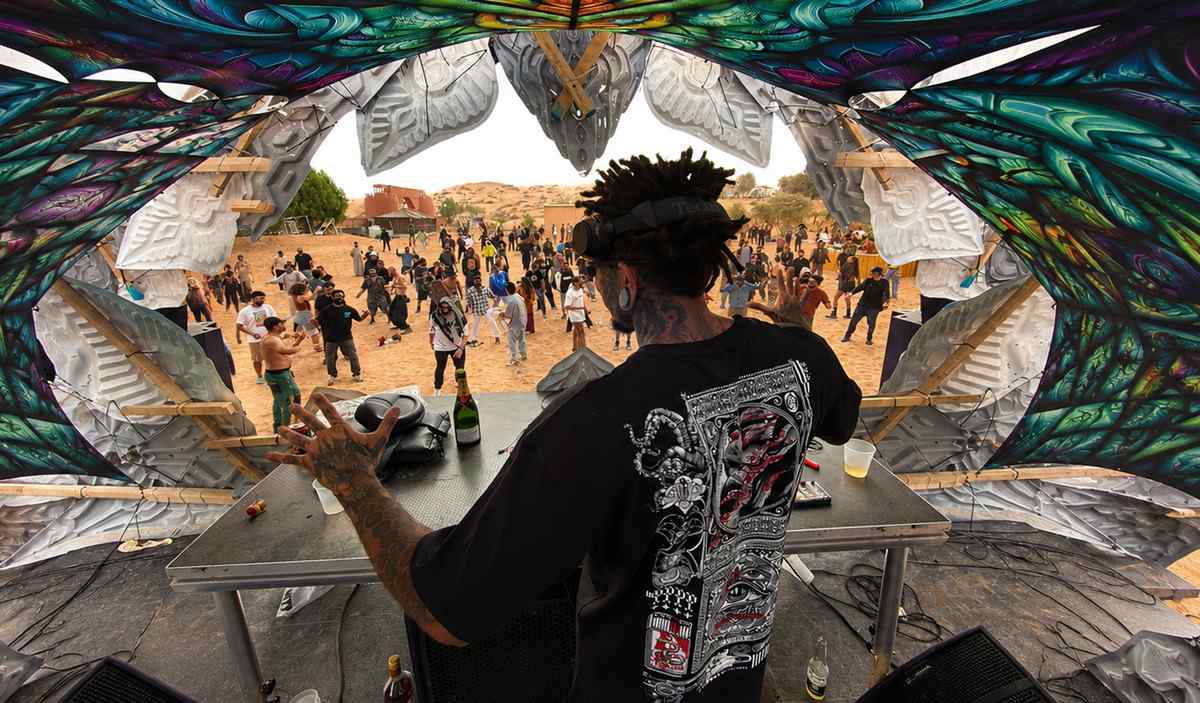
It’s 1989. You’re in a warehouse in Manchester, and someone just showed up wearing pants so baggy they could fit three people. Their white t-shirt is covered in neon paint splatters, and they’ve wrapped glow sticks around their wrists with electrical tape.
That wasn’t a fashion statement. That was just what worked.
At Plazmalab, we’re obsessed with this history- how electronic music clothing evolved from pure function into a global movement. Because understanding where rave fashion came from helps us design what it needs to be now.
When Function Became Style
Electronic music clothing didn’t start on runways. It started in basements where you needed to dance for eight hours straight without overheating. Ravers wore loose everything- baggy pants, oversized shirts, beat-up sneakers. Comfort was survival.
But here’s where it got interesting: people started customizing. They’d cut up thrift store finds, splash them with paint, add reflective tape. Under blacklights, these DIY jobs would glow. Suddenly you could spot who was really in the scene just by looking at them.
Then Goa happened.
The Beach Changed Everything
On the beaches of Goa in the early ’90s, the look shifted completely. Travelers showed up with sarongs, handmade jewelry, and clothes dyed in colors that looked like someone liquified a sunset. The music was psychedelic, the crowd was international, and everyone dressed like they’d raided a cosmic bazaar.
This is where psytrance style was born- flowing fabrics, tribal patterns, UV-reactive prints. It wasn’t about looking expensive. It was about looking alive.
Festival Wear for Women: Total Freedom
For women especially, festival wear became a playground. No dress codes. No judgment. You could wear a flowing maxi dress one night and a geometric bodysuit the next. Some mixed masculine cuts with feminine accessories. Others went full fairy-tale with layered skirts and handmade tops.
The best part? You could dance however you wanted. Spin, jump, lie on the ground at sunrise- your clothes moved with you. That’s the real test of good rave gear: can you forget you’re wearing it?
The Visual Language
Walk into any trance festival today and you’ll see it immediately: sacred geometry everywhere. Fractals on leggings. Mandalas on hoodies. Flower of Life prints on harem pants. These patterns aren’t random- they echo the repetitive, hypnotic nature of the music itself.
Accessories tell their own stories. Crystal necklaces. Wooden beads from a market in Thailand. Belts with hidden pockets for essentials (because who wants to carry a bag while dancing?). Headpieces, hoods, LED goggles- practical and playful at the same time.
From Dance Floor to Daily Life
Here’s what changed in the last ten years: electronic music clothing went mainstream. Sort of.
You’ll see someone wearing geometric leggings at a coffee shop. A hoodie with UV-reactive stitching at the gym. Harem pants on a Tuesday. For people in the scene, wearing this stuff during the week isn’t about making a statement- it’s about staying connected to the feeling.
The tribe doesn’t disappear when the festival ends. It just goes undercover.
Why It Matters
At Plazmalab, we’ve seen how clothing shapes the experience. When you put on something made for movement, made to glow under lights, made by someone who gets the culture- it changes how you show up.
Our pieces are designed with real dancers in mind. Artists who care about stitching and fabric weight. Designs that work at a festival but don’t look ridiculous at brunch the next day.
Because the culture doesn’t switch off when the music stops.
The Bottom Line
From warehouse raves to massive festivals, the evolution of rave fashion has always been about one thing: freedom to move, freedom to express, freedom to belong.
Electronic music clothing isn’t a costume. It’s how thousands of people communicate without saying a word. It’s functional art. It’s a uniform for a tribe that spans the globe.